Shop the
Collection
Feel the beauty of handcrafted notebooks made of sugar cane paper, bound with Coptic/French links.
Get in Touch
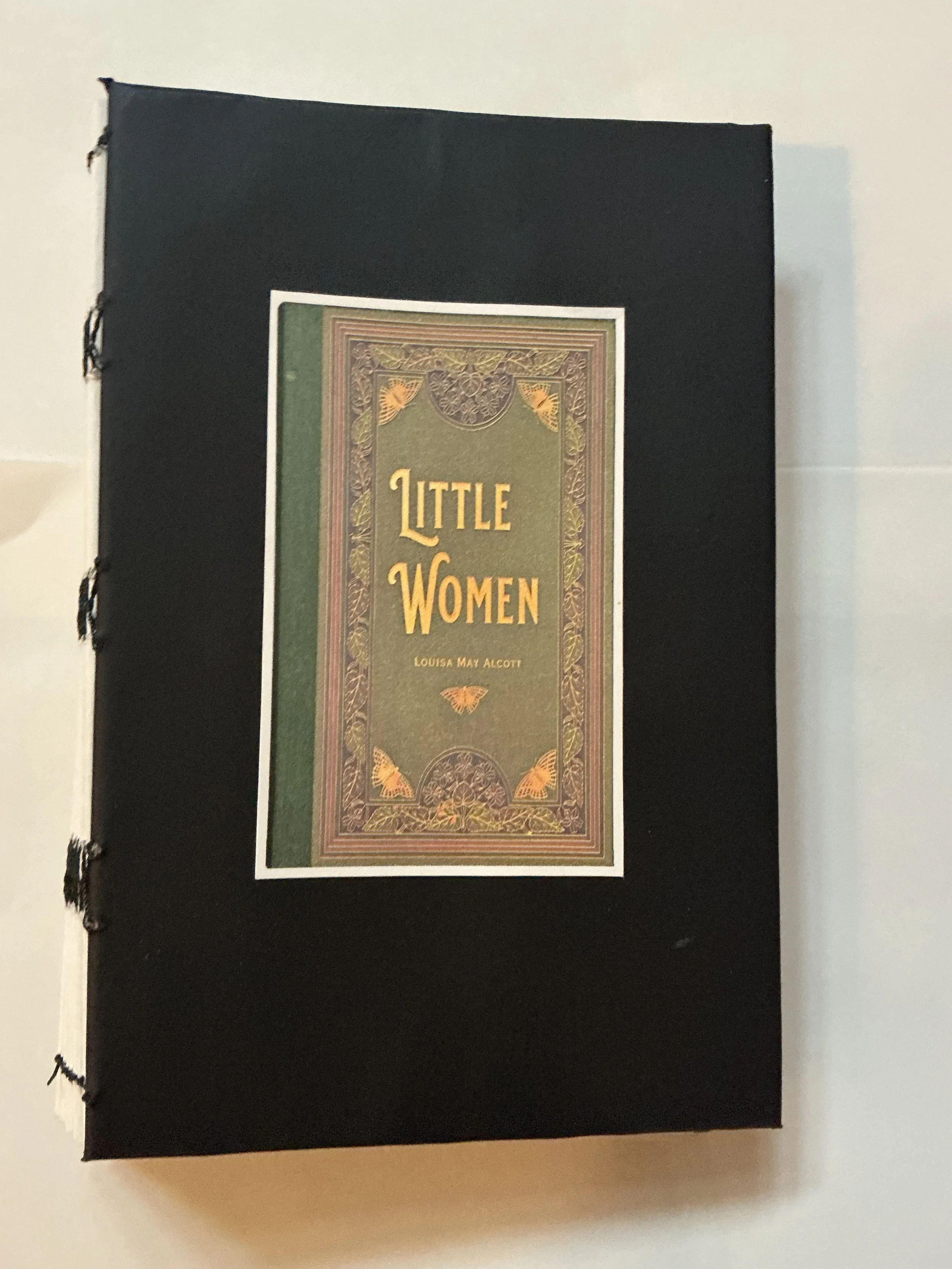
Handbound using French link and Coptic stitches. Paper is made of bagasse, a byproduct of sugarcane.
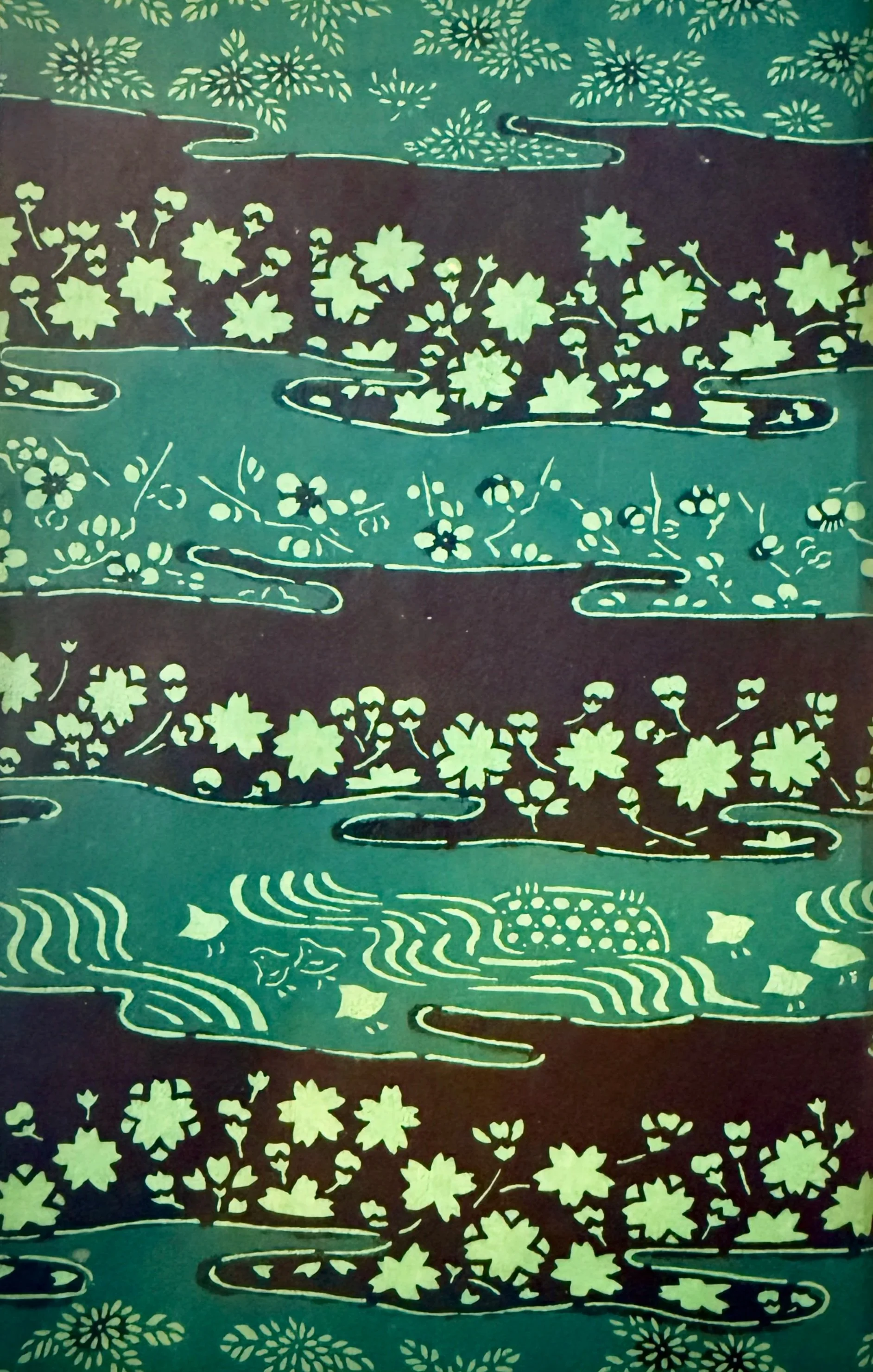
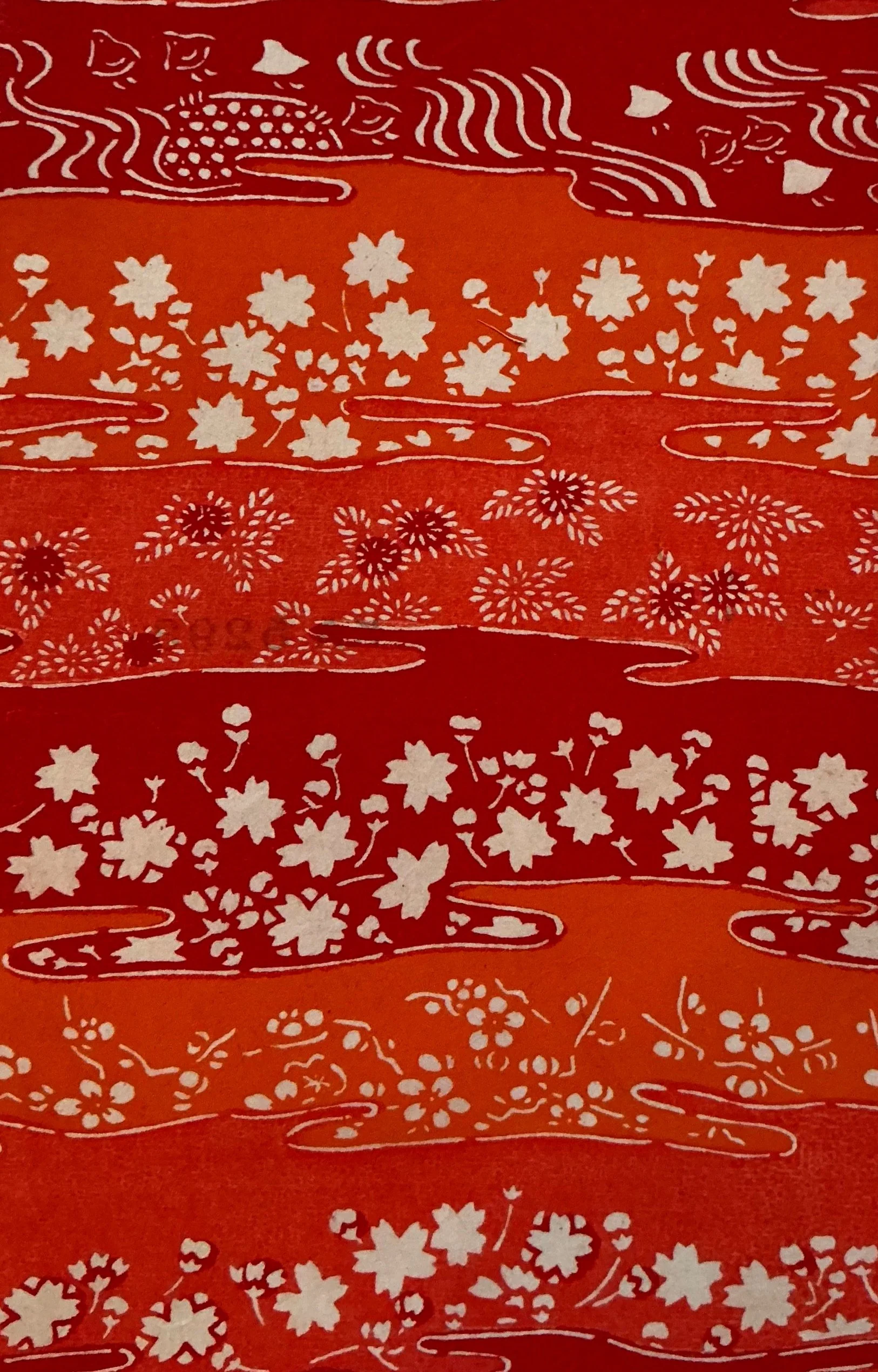
The paper is derived from sugarcane, not wood. The cover is washi kozo, a Japanese paper made from mulberry. Each book is handmade using a combined French link and Coptic links.
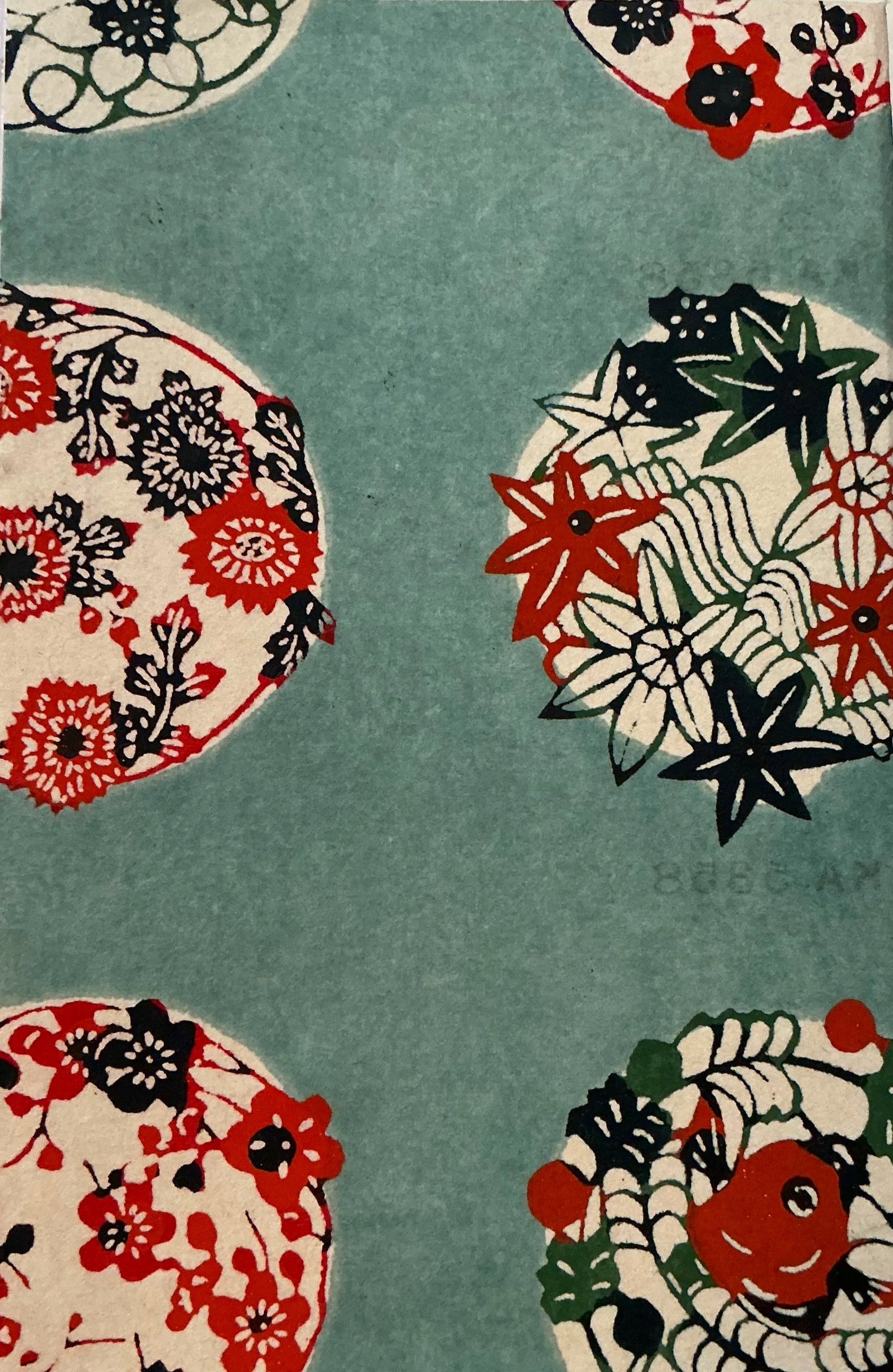
Handbound using French link and Coptic stitches. Paper is made of bagasse, a byproduct of sugarcane.
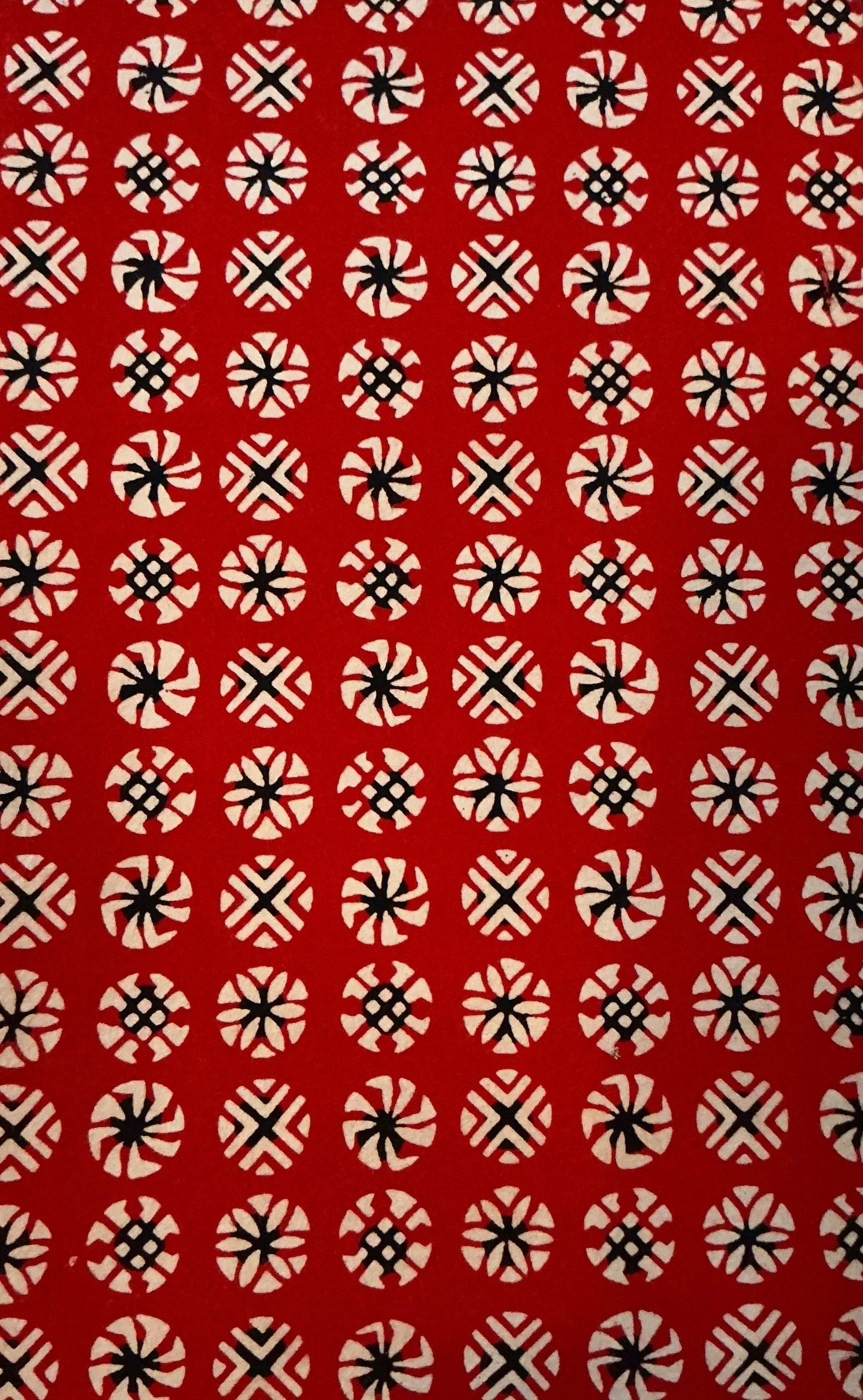
Handbound using French link and Coptic stitches. Paper is made of bagasse, a byproduct of sugarcane.
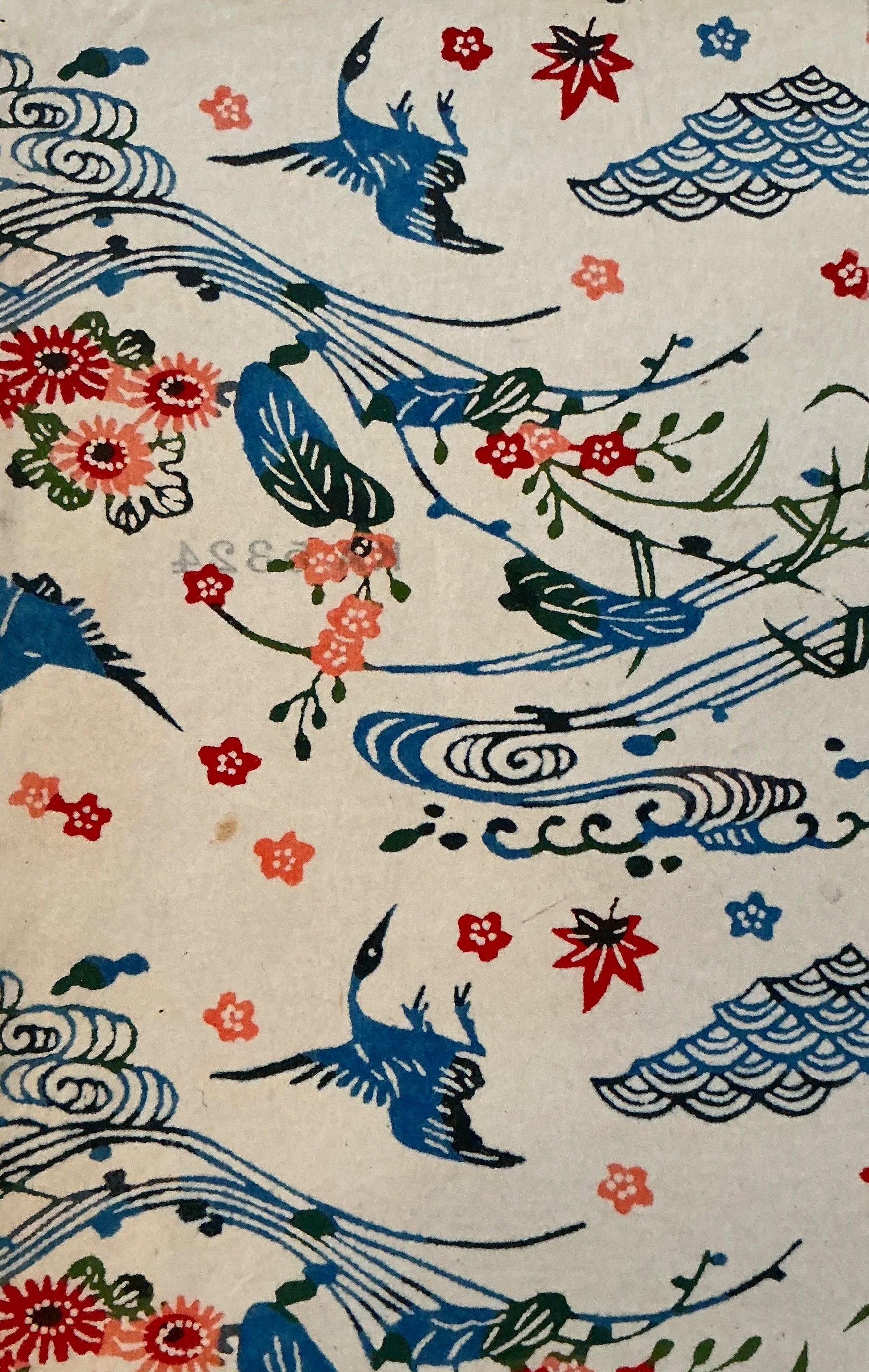
Handbound using French link and Coptic stitches. Paper is made of bagasse, a byproduct of sugarcane.
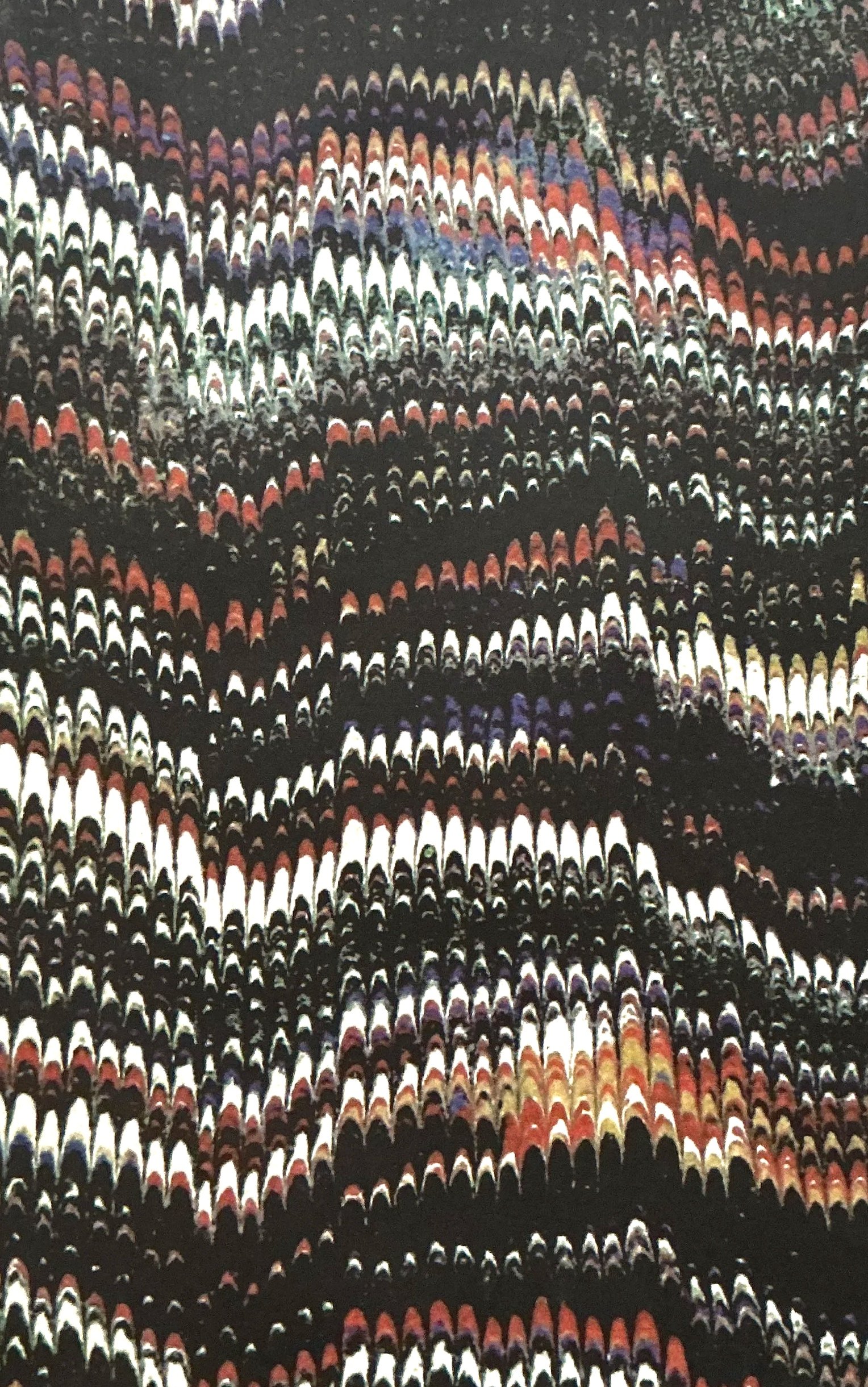
Handbound using French link and Coptic stitches. Paper is made of bagasse, a byproduct of sugarcane.
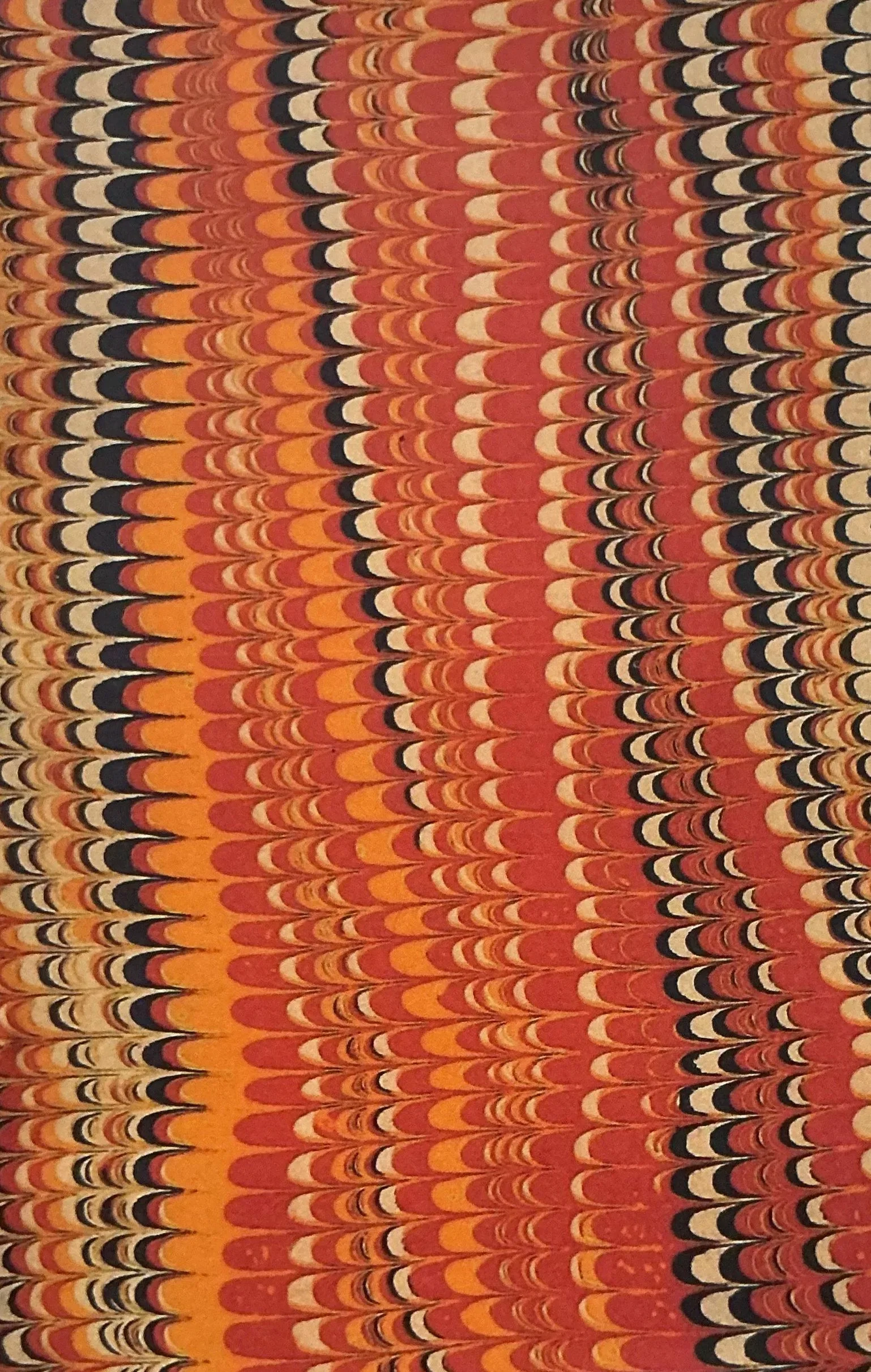
Handbound using French link and Coptic stitches. Paper is made of bagasse, a byproduct of sugarcane.
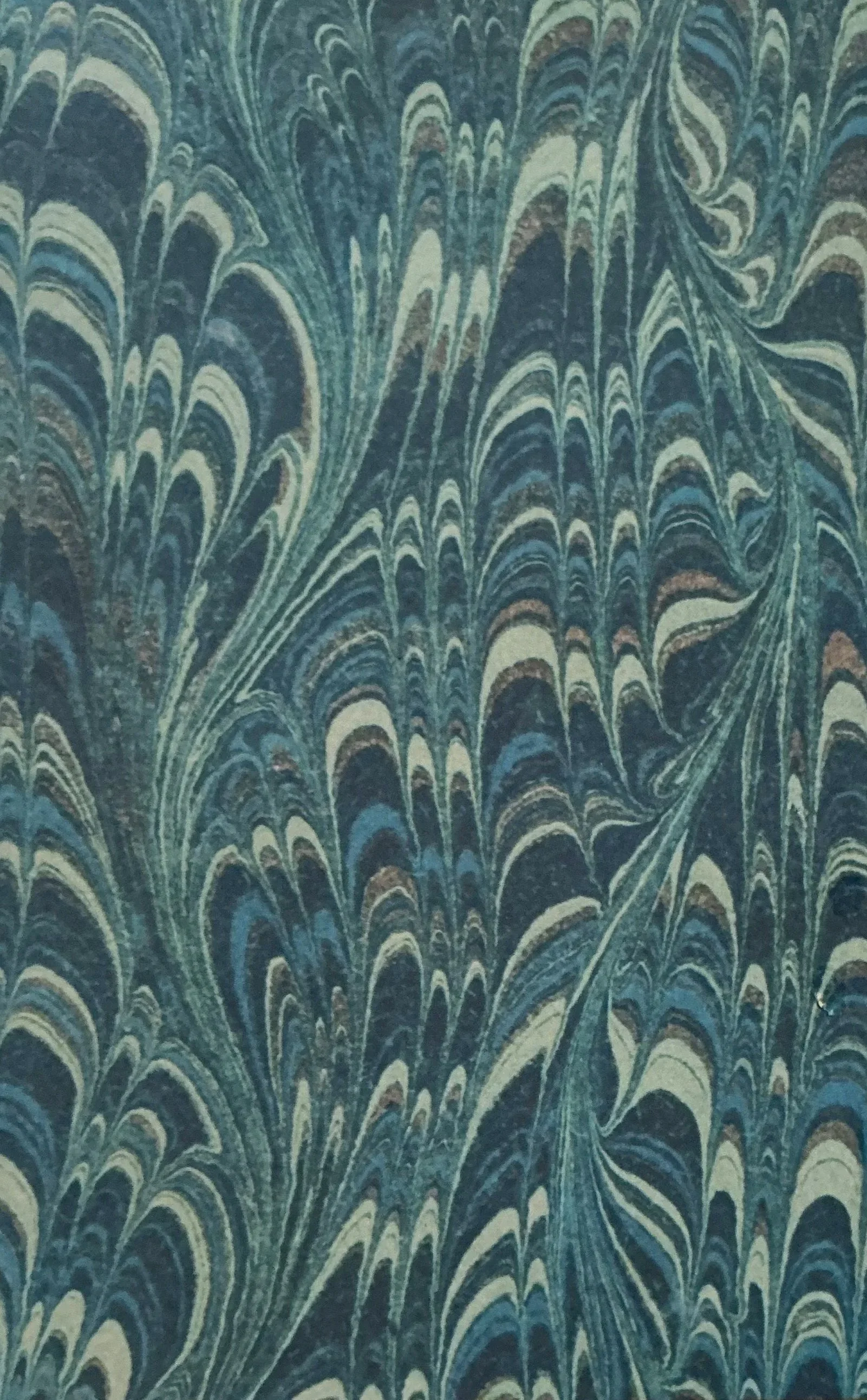
Handbound using French link and Coptic stitches. Paper is made of bagasse, a byproduct of sugarcane.
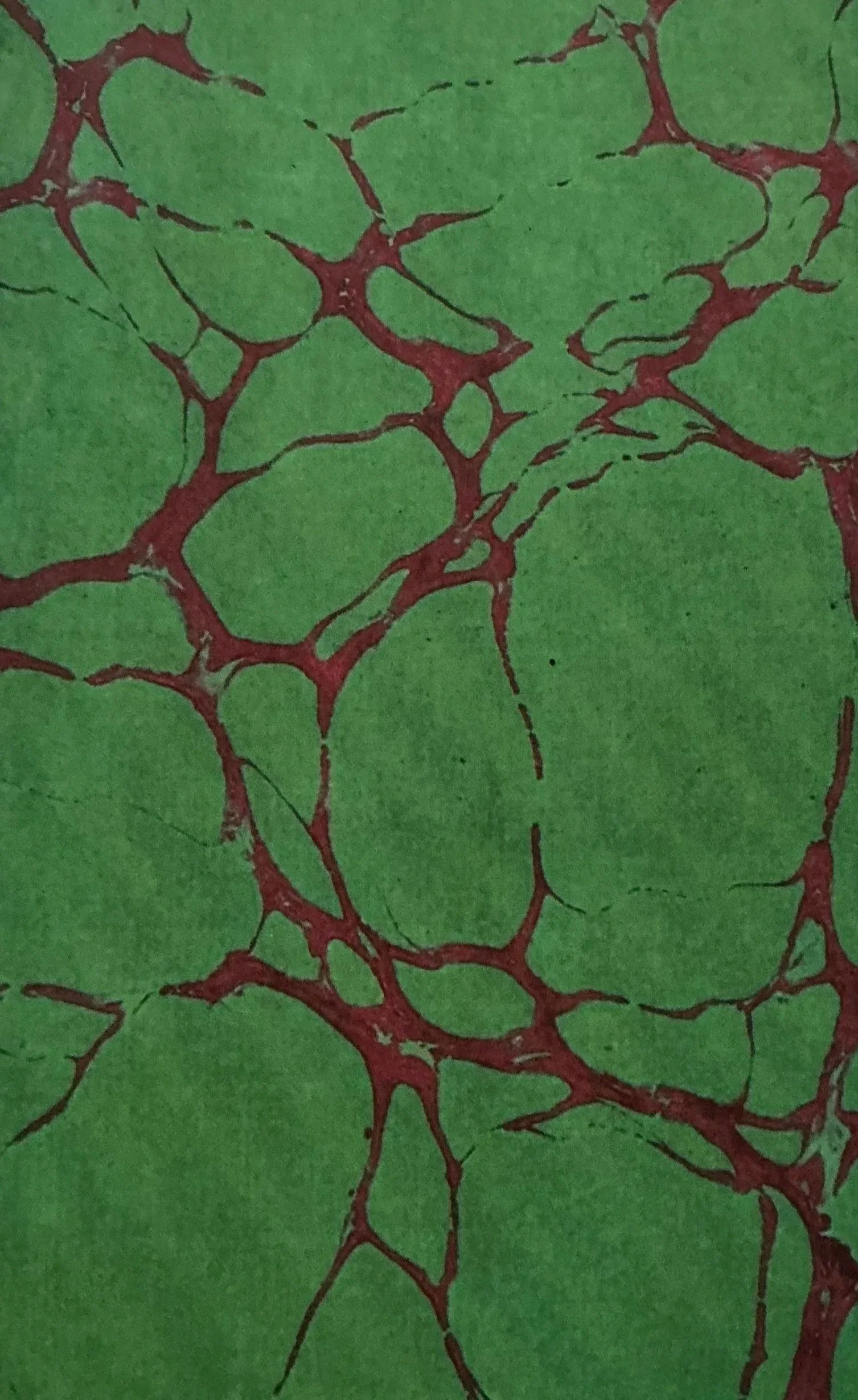
Handbound using French link and Coptic stitches. Paper is made of bagasse, a byproduct of sugarcane.
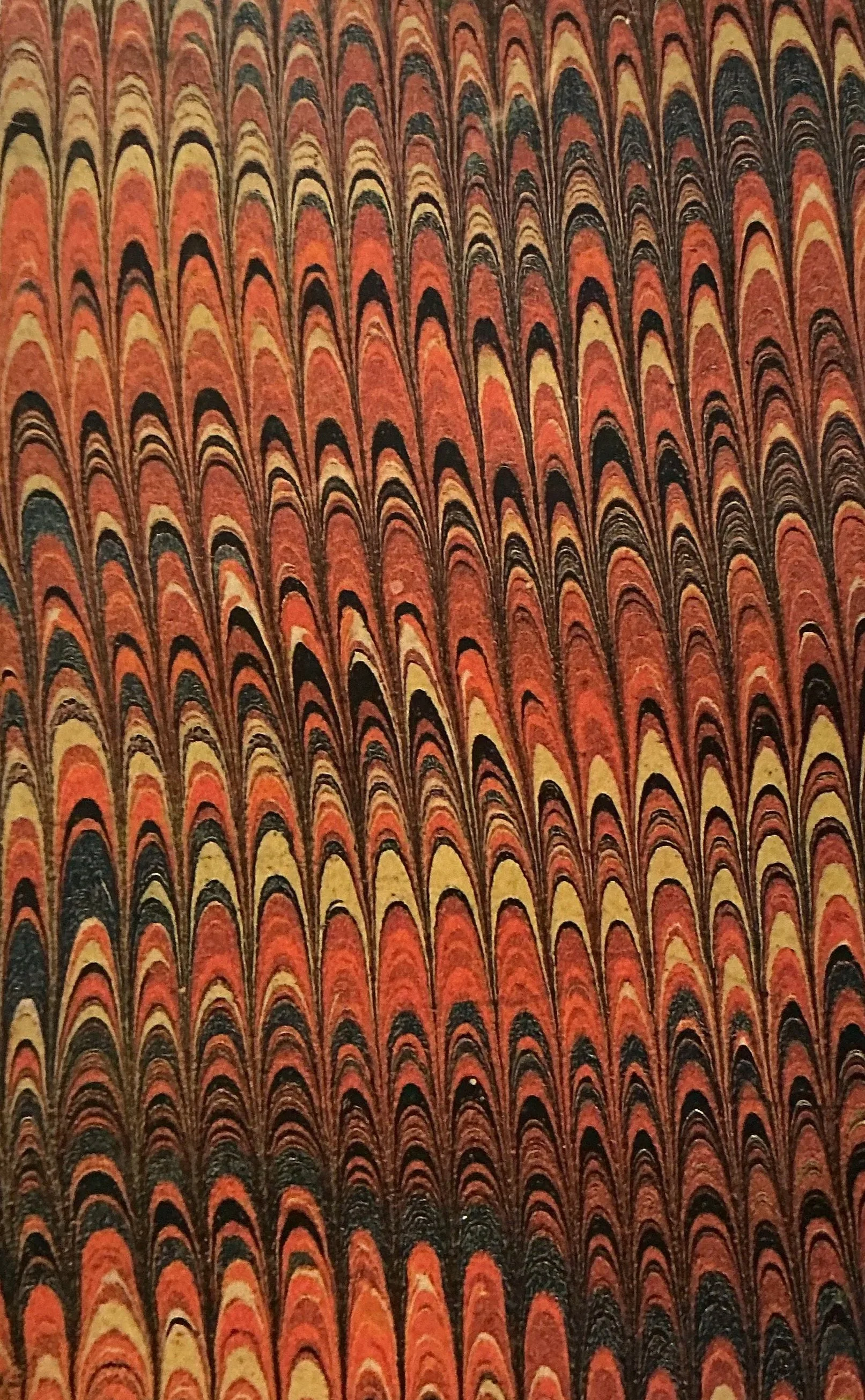
Handbound using French link and Coptic stitches. Paper is made of bagasse, a byproduct of sugarcane.
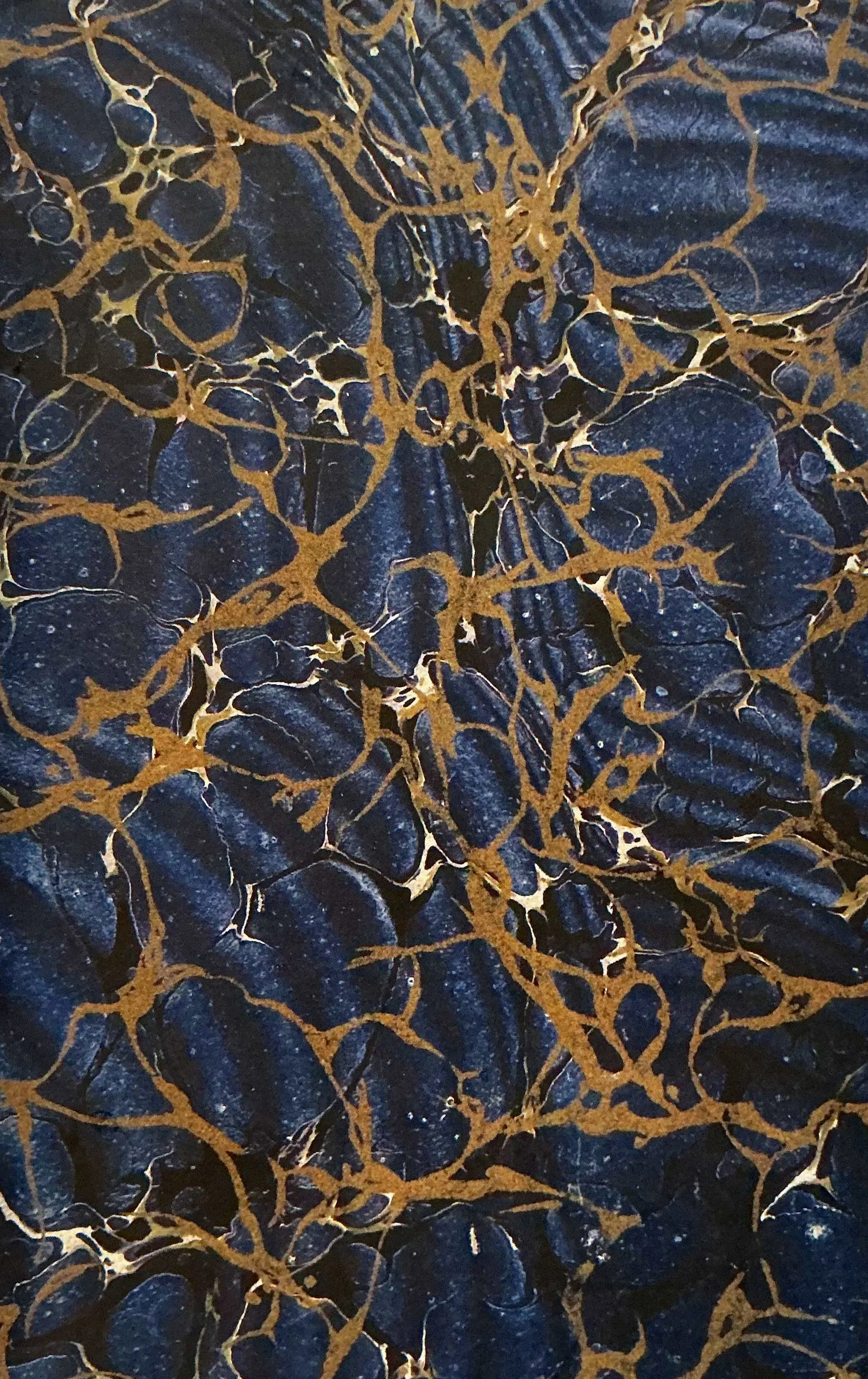
Handbound using French link and Coptic stitches. Paper is made of bagasse, a byproduct of sugarcane.
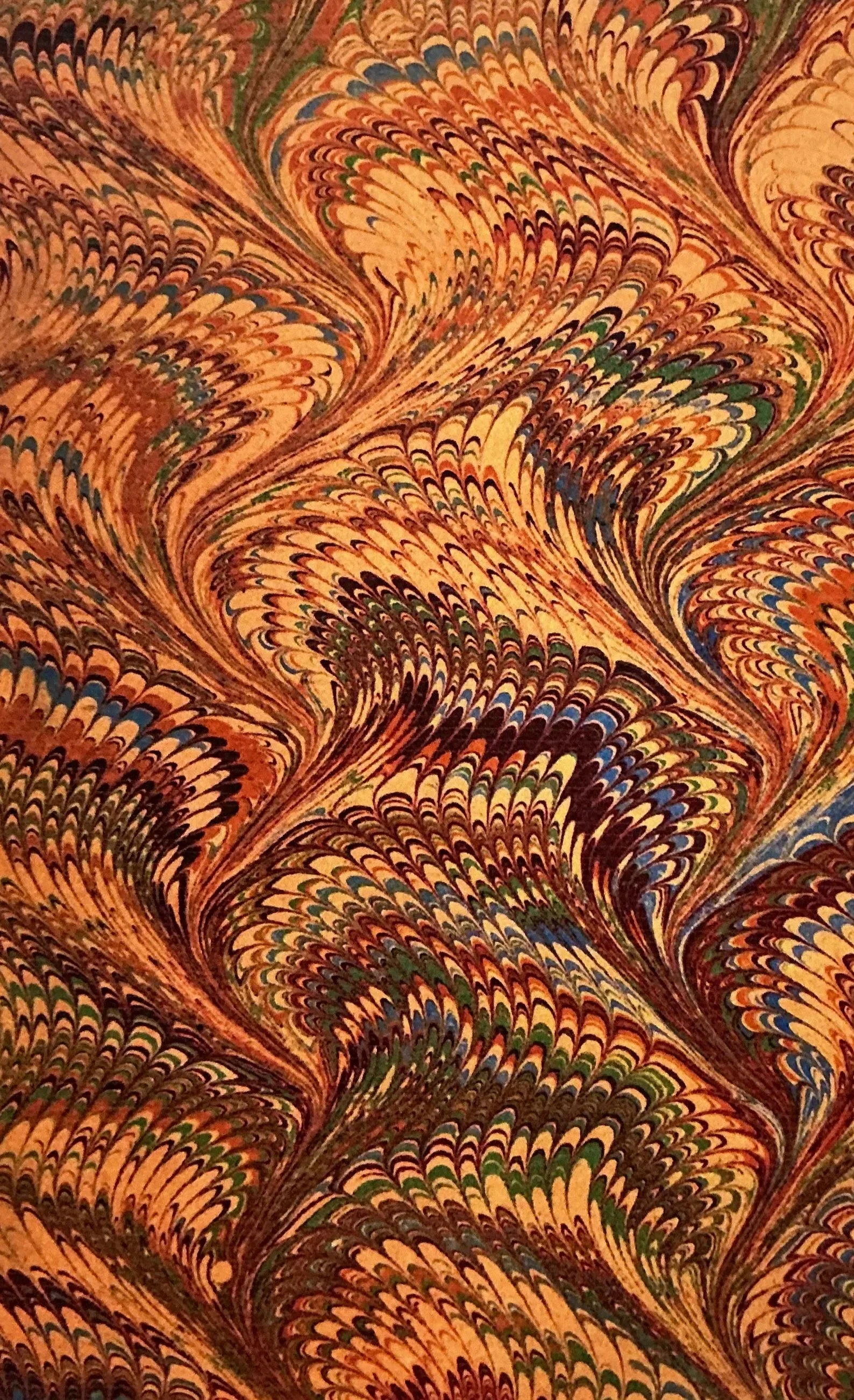
Handbound using French link and Coptic stitches. Paper is made of bagasse, a byproduct of sugarcane.
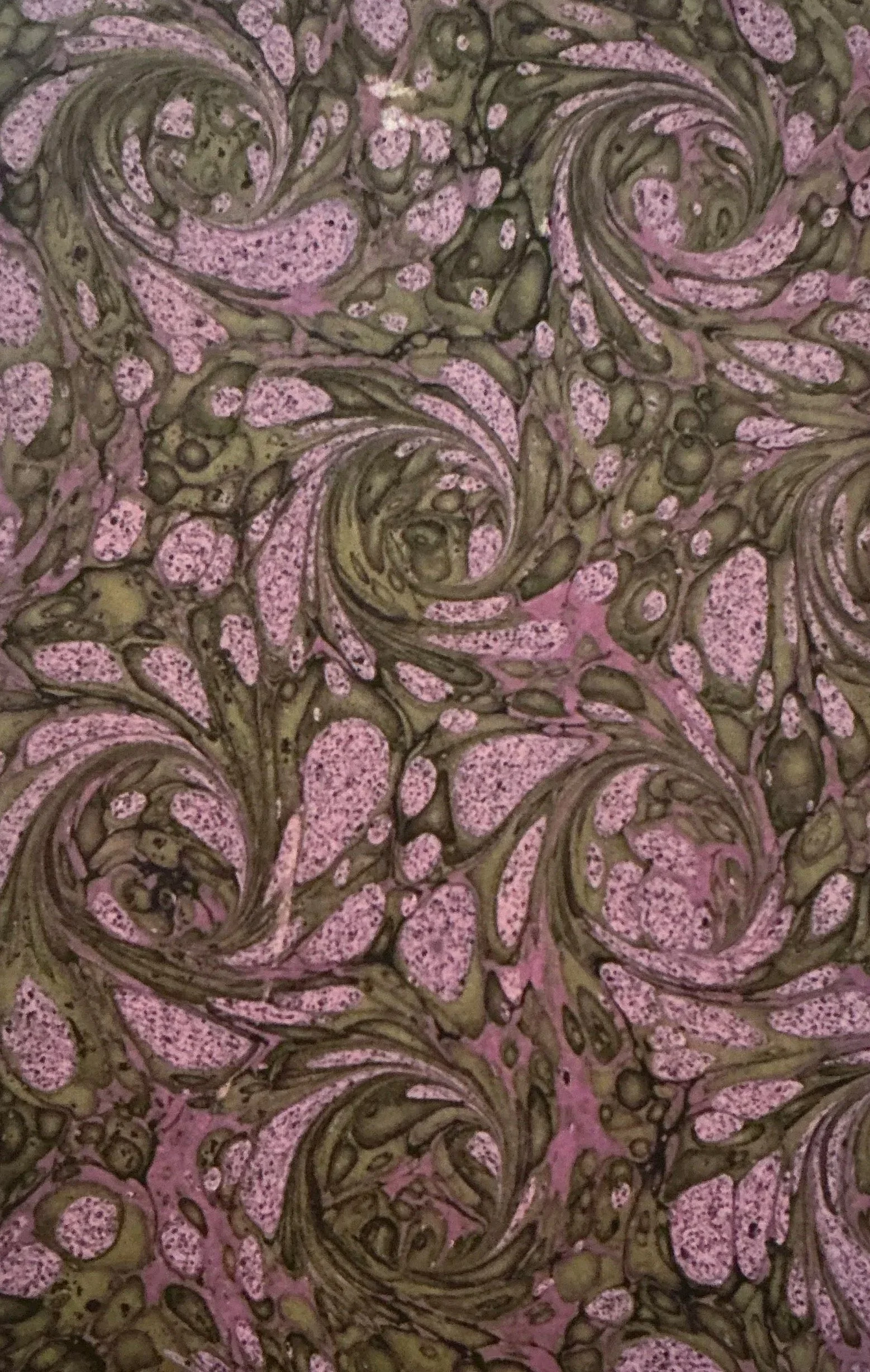
Hand-bound using French link and Coptic stitches. Paper is made of bagasse, a byproduct off sugarcane.
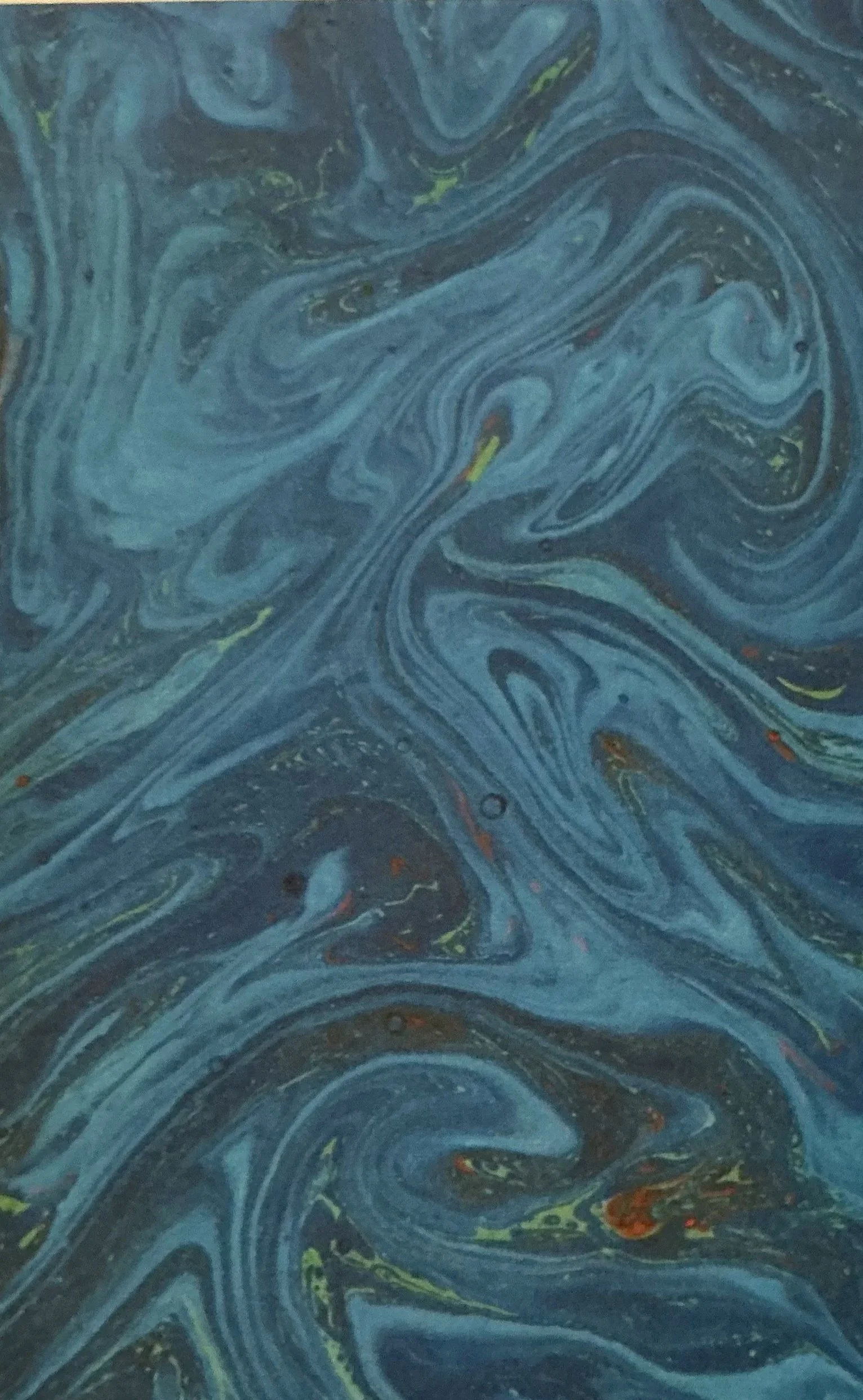
Hand-bound using French link and Coptic stitching. Paper is made from a byproduct of sugarcane, not wood.
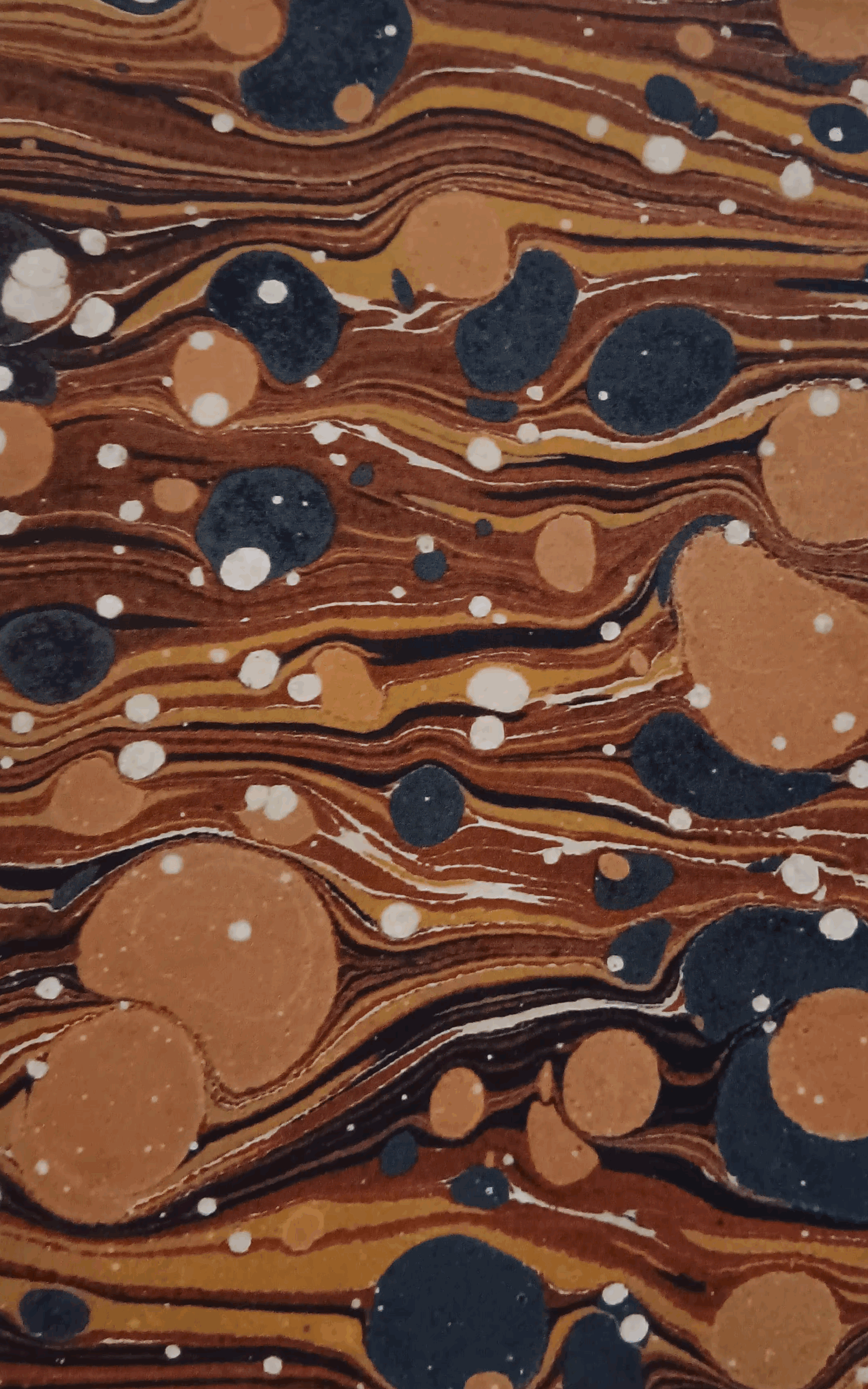
Handbound in Coptic / French link stitches, paper is made of sugarcane, not wood. The paper has a softer feeling than wood paper, and accepts ink readily.
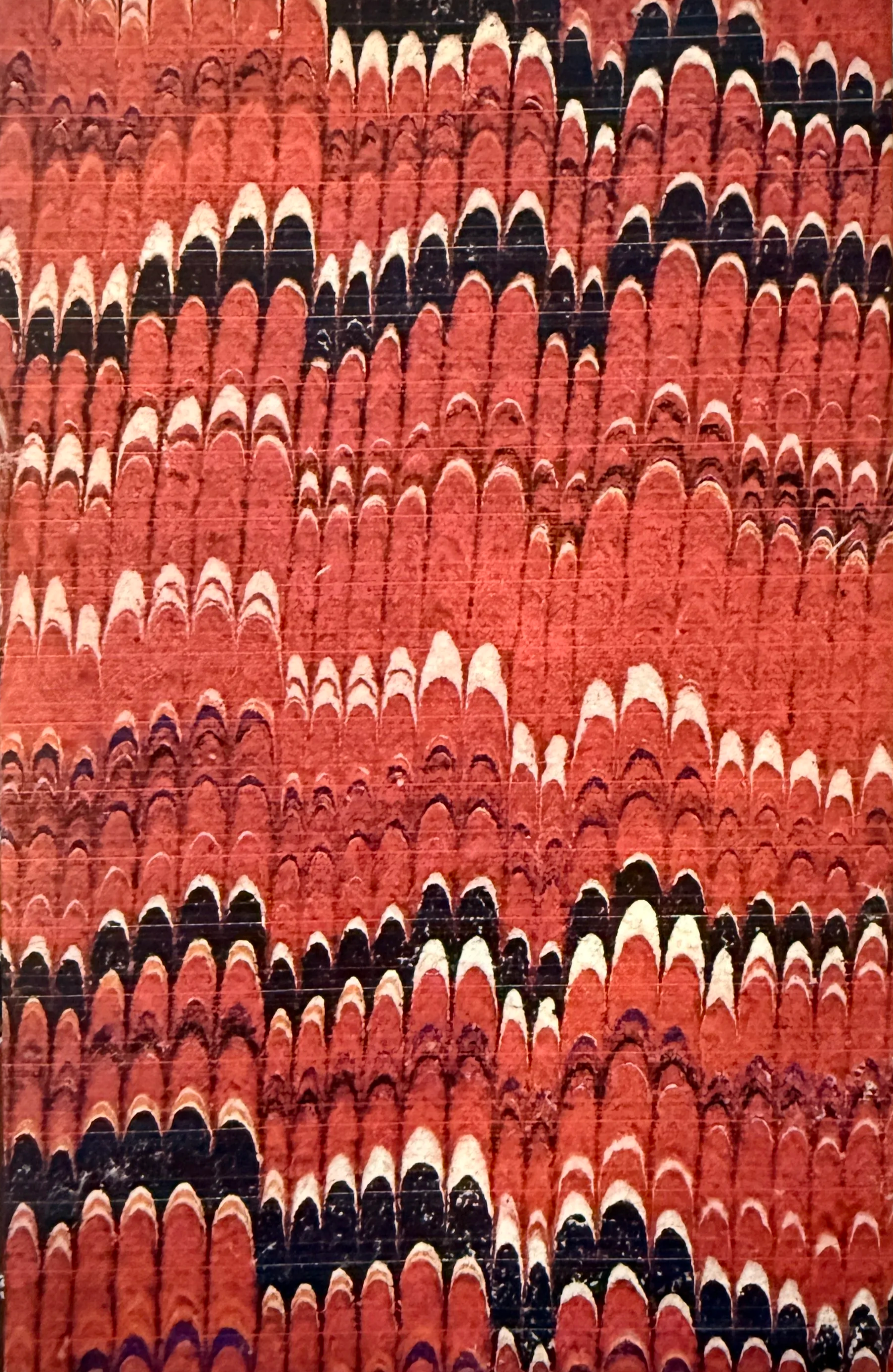
Handmade notebook of sugar cane paper. Over 200 pages, stitched using Coptic/French links.
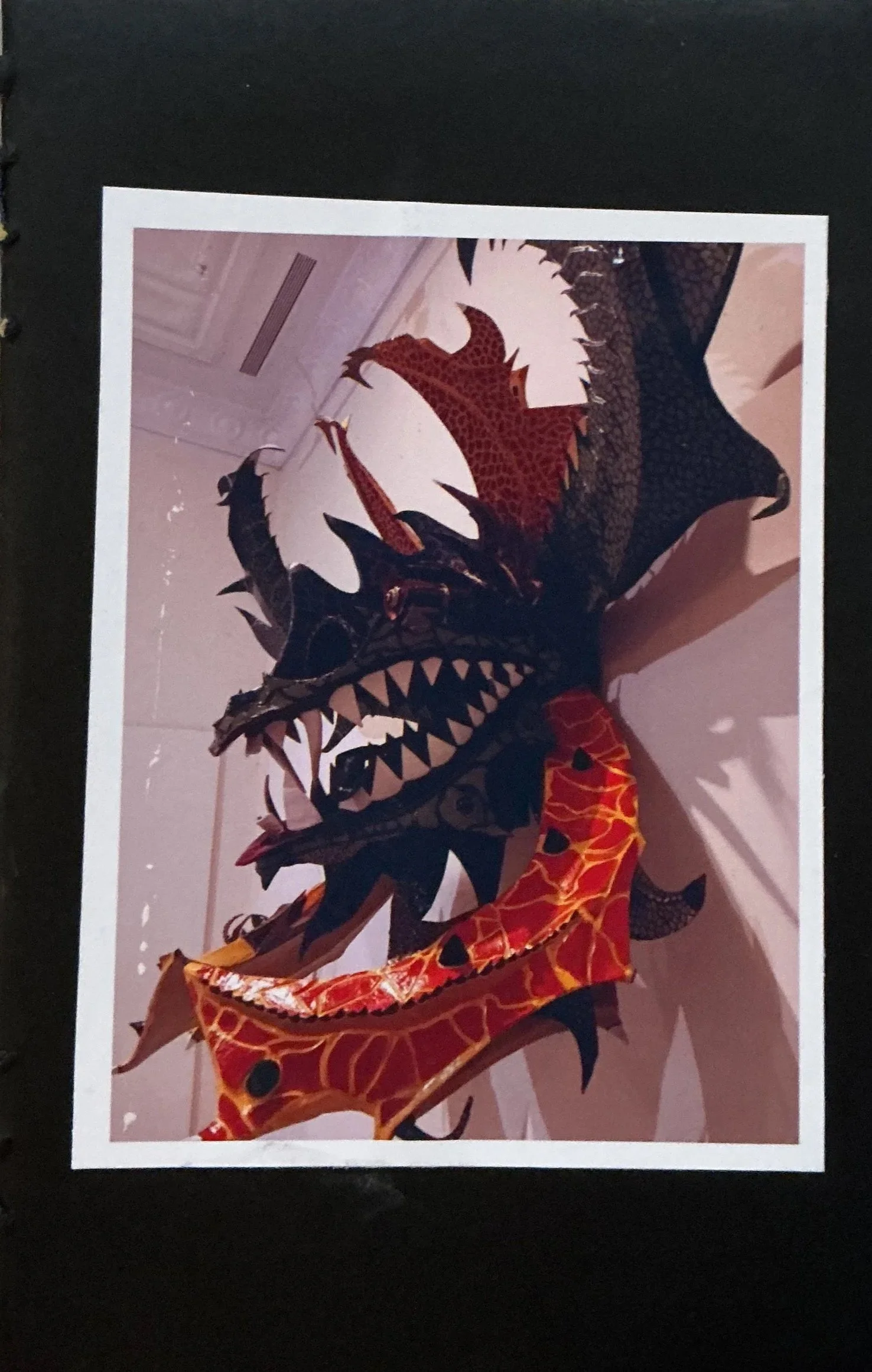
Handbound using French link and Coptic stitches. Paper is made of bagasse, a byproduct of sugarcane.
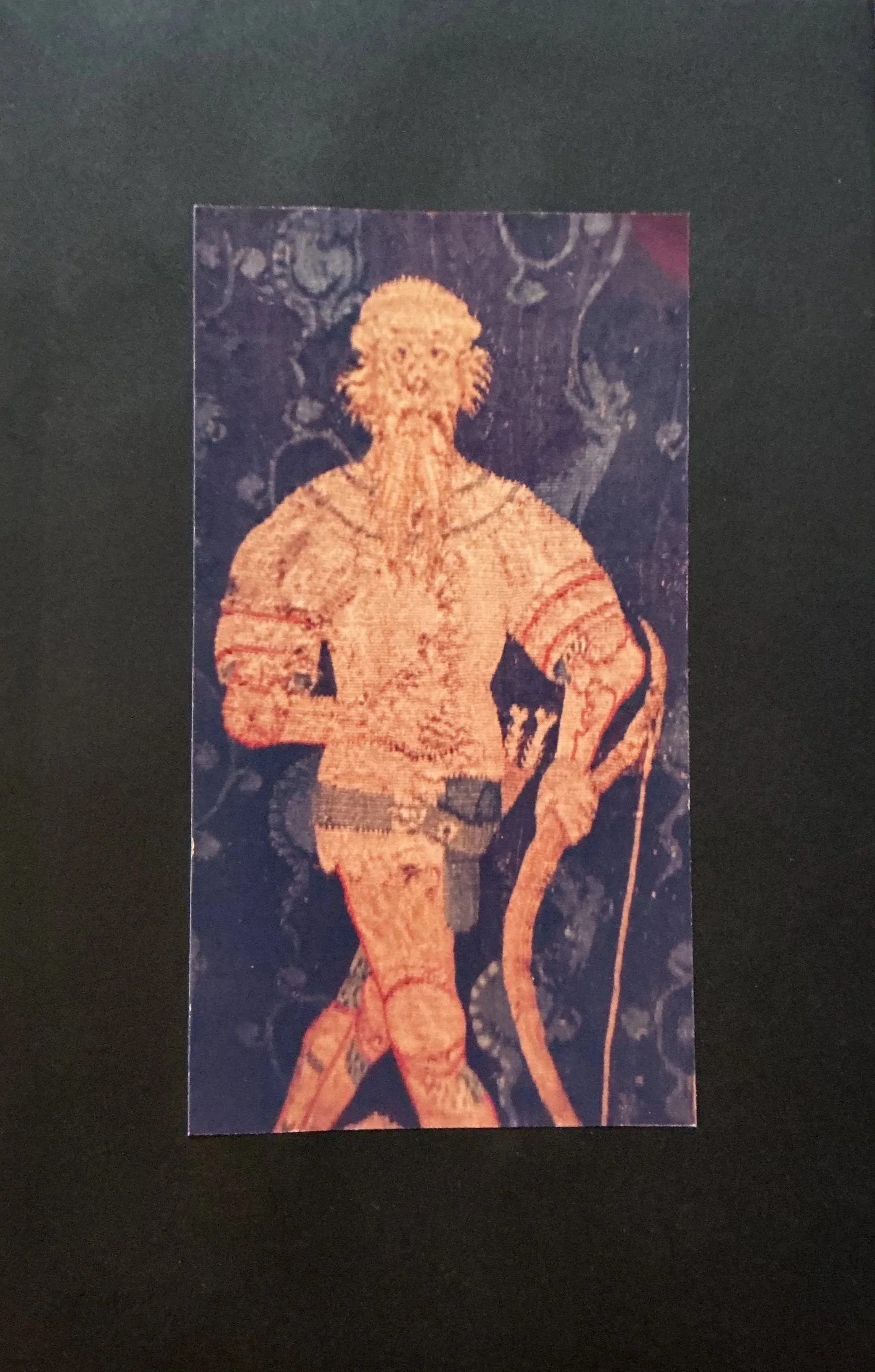
Handbound using French link and Coptic stitches. Paper is made of bagasse, a byproduct of sugarcane.
Written by Nathaniel Hawthorne, this book is a copy of the first edition. It’s hand sewn with Coptic stitching and French links; acid free paper and conservation materials were used throughout.